

What should you pay attention to when buying a yoga cushion?
A yoga and/or meditation cushion is much more than a soft item to sit on. For those who meditate or practice yoga regularly, it is an essential tool that makes the difference between distraction by physical discomfort and complete immersion in the practice. Whether you are a beginner yogi struggling with the cross-legged position, or an experienced practitioner wishing to spend hours in silence, the right support is the foundation of every session.
For many practitioners, a yoga cushion is the most personal piece of equipment. Where a yoga mat While it must primarily provide grip and cushioning, a cushion is responsible for the anatomical alignment of your body during moments of stillness or seated postures. The difference between a high-quality cushion and a random cushion from the sofa is immediately noticeable in the back, hips, and knees.
At Yoga-Pilatesshop, we receive daily questions from both beginner yogis and experienced teachers about which cushion is best. The answer always depends on a combination of your body type, flexibility, and the type of yoga you practice. In this article, we dive deep into the subject so that you can make an informed choice.
Why a specific yoga cushion is essential for your posture
To understand which cushion you need, you must first understand what happens in the body when sitting on the ground. Human anatomy is not naturally built to spend extended periods in a cross-legged position on a hard, flat surface. When you sit directly on the ground, the pelvis is often tilted backward. This forces the lower back into a rounded shape, resulting in tension on the intervertebral discs and faster fatigue of the back muscles.
A yoga cushion lifts the pelvis. This creates space in the hip joints, allowing the knees to rest lower than the hips. This position ensures that the pelvis tilts forward and the spine maintains its natural S-curve. In this active yet relaxed posture, breath can flow freely through the torso and energy can move unhindered. Without proper support, meditation often becomes a battle against physical pain, which hinders mental focus.
Determining the ideal height based on flexibility
The height of the pillow is the most determining factor for your comfort. There is no standard size that works for everyone. The ideal height is determined by your height and the degree of opening in your hips.
For beginners or those who know they are less flexible, a high pillow of 17 to 20 centimeters is often the best starting point. This pillow offers maximum room for the legs to point downwards. Tall people also often benefit from a higher pillow, because their longer thighs form a larger angle.
The standard height in most studios is 13 to 15 centimeters. This is a safe choice for the average practitioner. However, if you find that your knees touch the ground quite easily when sitting, a low cushion of 10 to 12 centimeters will suffice. This cushion then serves purely as a slight tilt for the pelvis, without lifting you too far off the ground. A cushion that is too high can lead to instability and a wobbly feeling for a very flexible person.
View our yoga cushions
Different shapes and their influence on your sitting posture
In addition to height, the shape of the cushion plays a crucial role in how your legs and feet are positioned. We distinguish three main shapes, each offering its own unique benefits.
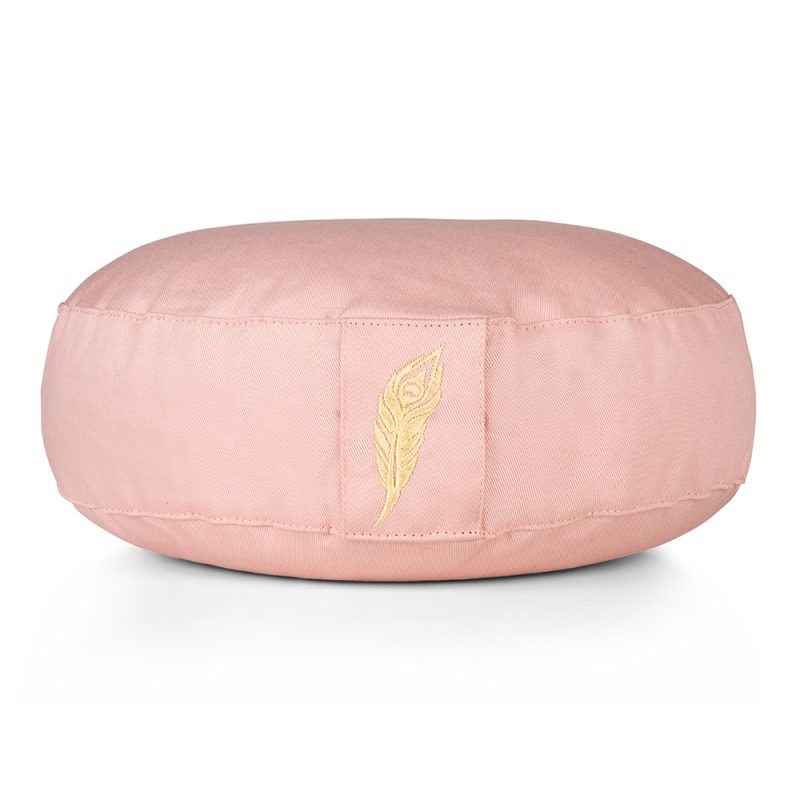
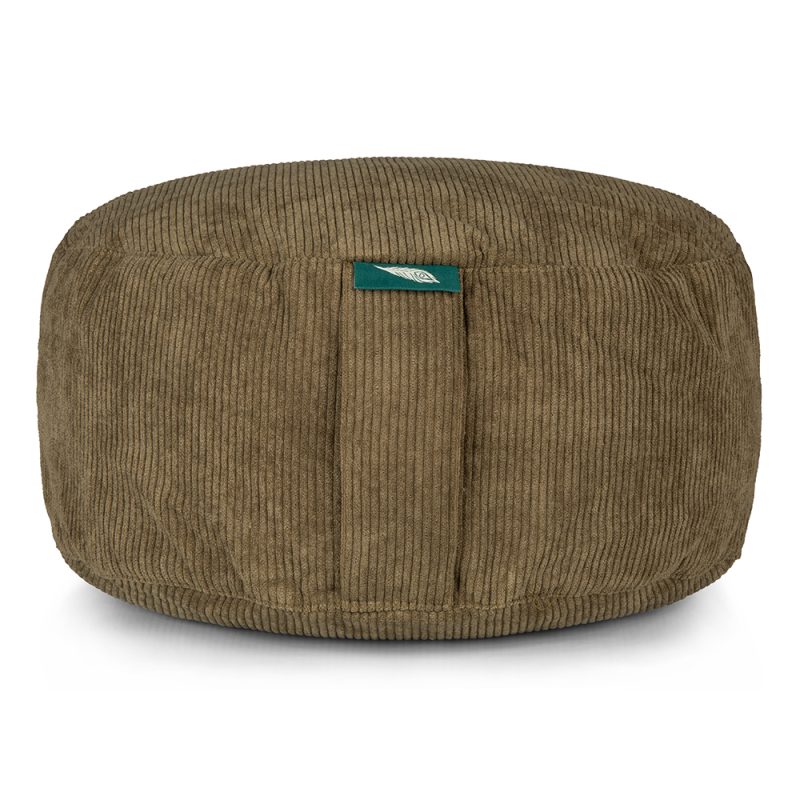
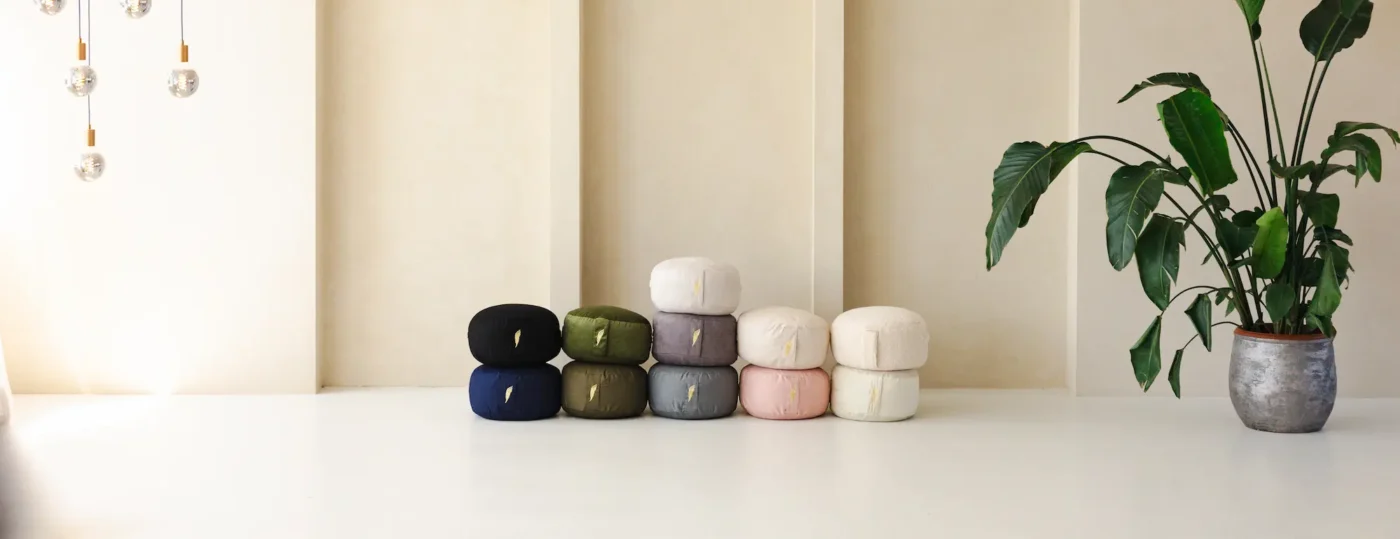
The round cushion is a classic. It offers a stable and wide surface that is very versatile. You can use the cushion for the tailor's pose, but it is also ideally suited for the kneeling position by placing the cushion between your ankles. The round model is robust and, thanks to its shape, retains the firmness of the filling well.
The half-moon or crescent shape is specially designed for people who sit in the (half) lotus position or wish to place their feet close to their body. The indentation at the front provides more room for the heels. Furthermore, a half-moon cushion often slopes forward, which further stimulates the natural tilting of the pelvis. Additionally, the wide flanks of this cushion offer more support to the upper legs, reducing pressure on the groin.
Rectangular cushions are seen less often as primary meditation cushion, but they are gaining popularity in restorative forms of yoga such as Yin Yoga. They offer a wider support surface for the sit bones and can also be placed vertically along the spine for chest-opening exercises during lying postures.
The filling of the pillow: Buckwheat or Kapok
What goes inside the cushion determines how long you can remain seated comfortably. At Yoga-Pilatesshop, we are very critical of the filling of our products. We distinguish between natural and synthetic materials, always advising you to choose sustainability.
Buckwheat hulls are the undisputed standard in the professional yoga world. These hulls are the hard outer shells of the buckwheat seed. They are extremely resilient and have the unique property of not collapsing under weight. Instead, they slide over each other and mold to the contours of your body. A pillow with buckwheat filling feels firm and stable. Moreover, it is a breathable material that regulates heat well, ensuring the pillow stays feeling fresh even during long sessions.
Kapok is an alternative for those seeking a much softer pillow. Kapok is a down-like fiber from the kapok tree. It is extremely light and feels softer than buckwheat. However, the disadvantage of kapok is that it compresses over time and offers less support to the pelvis. We recommend kapok especially for people seeking a very soft landing and who do not need to remain in one position for extended periods.
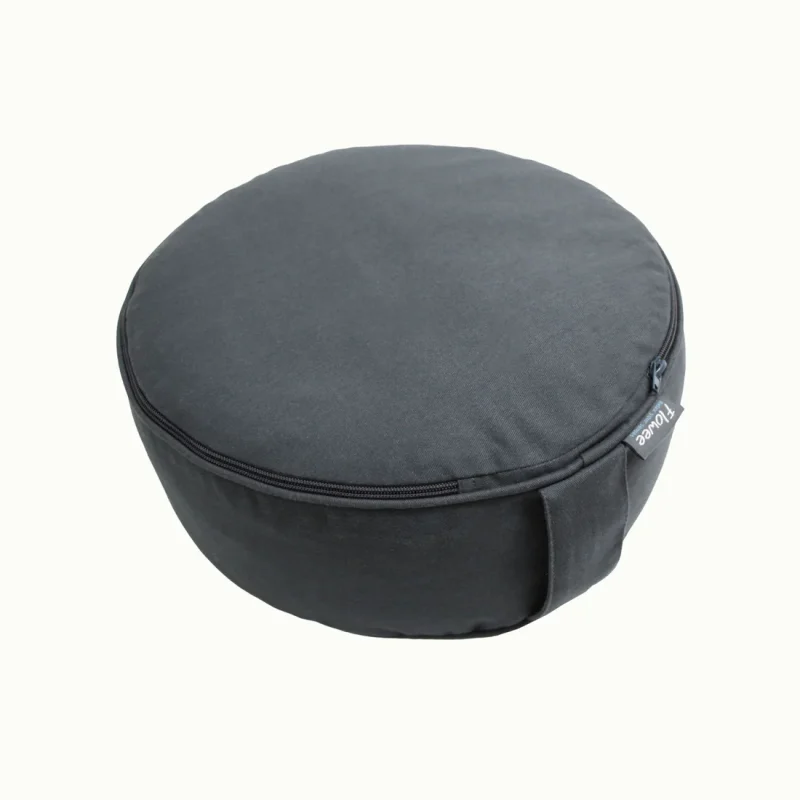
In our webshop, you will find exclusively pillows where you can customize the filling yourself. Using a zipper in the inner cover, you can easily remove or add buckwheat hulls. This allows you to tailor the firmness and height of the pillow exactly to your personal preferences.
Material selection and sustainability of the covers
A yoga cushion is an item that comes into frequent contact with the skin and the floor. The quality of the outer cover is therefore a determining factor in the lifespan of your purchase.
Cotton and canvas are the most sustainable choices. They are wear-resistant, grippy enough not to slip, and easy to wash. At Yoga-Pilatesshop, we prefer organic cotton because we believe that a conscious practice begins with responsible production. This material breathes well and feels natural, which contributes to the overall experience.
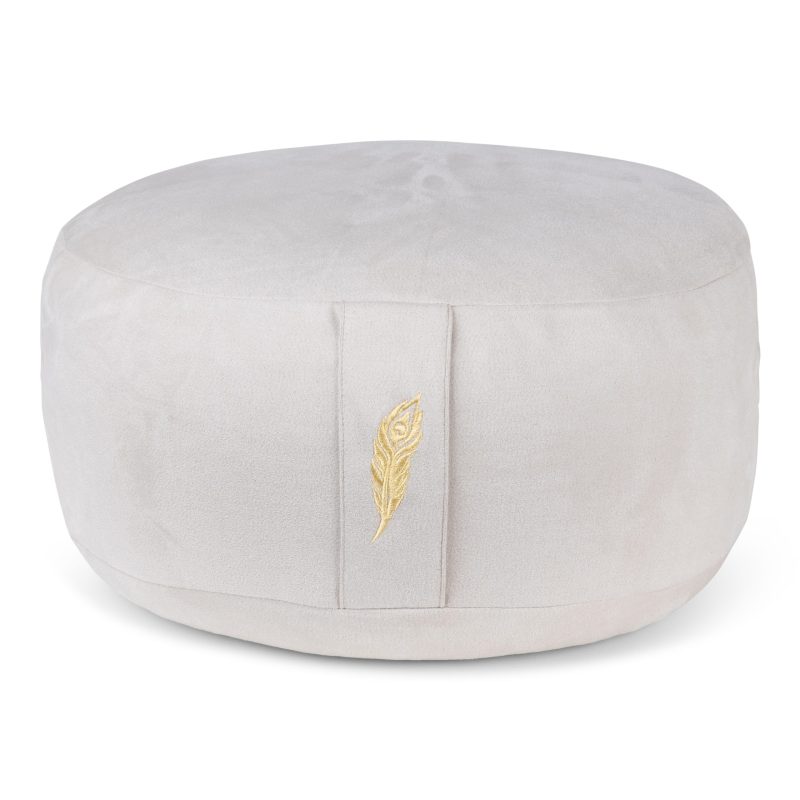
Velvet is often chosen for its aesthetics and soft feel. These cushions exude luxury and are delightful for those who view the yoga space as a place of comfort and warmth. Although velvet is slightly more delicate than canvas, our velvet covers are of a heavy quality that remains beautiful for years without pilling or losing its color.
Maintenance and hygiene for a long lifespan
To ensure the hygiene of your pillow, it is important to know how to care for the material. Almost all of our pillows come with a double cover. The outer cover can be removed from the pillow and washed in the washing machine at 30 degrees. We recommend air drying the cover to prevent shrinkage.
The inner cover containing the buckwheat hulls must never come into contact with water. Buckwheat is a natural product; if it gets wet, it loses its resilience and mold may form. Should the pillow start to smell musty after prolonged use, you can spread the filling out on a dry surface in the sun for a day. The UV radiation and fresh air will naturally refresh the buckwheat hulls. After several years of intensive use, the hulls may lose some volume due to friction. You can then easily refresh your pillow with a bag of new filling that you can order through our shop.
The added value of a zabuton
For those seeking the ultimate meditation experience, a cushion alone is sometimes not enough. In a seated position, the ankles and knees often rest on the hard floor. Even with a good cushion, the pressure on these joint points can become uncomfortable after fifteen minutes. This leads to distraction and can even result in minor injuries.
A zabuton is a thick, soft under-mat that fits perfectly under your yoga cushion. It acts as a soft landing spot for your lower legs and feet. The combination of a well-adjusted cushion and a zabuton creates an ergonomic island where your body can fully relax. This is especially recommended for people with sensitive joints or for those who meditate for more than thirty minutes daily. Also handy are our knee pads.
Make the right choice for your meditation
Buying a yoga cushion is an investment in the quality of your moments of rest. By paying attention to the height, shape, and filling, you prevent physical discomfort from becoming a barrier to your practice. A good cushion not only supports your body but also invites you to seek out those moments of stillness and movement more often.
Take a critical look at your own body and be honest about your current level of flexibility. Use the advice in this guide to select the cushion in our webshop that perfectly matches your needs. At Yoga-Pilatesshop, we stand for expertise and quality, so that you only need to focus on your breathing and finding your inner balance.
Frequently asked questions about yoga cushions
Do you have any more questions about yoga cushions? Perhaps your question is already answered below.
How long does the filling of a yoga cushion last?
Buckwheat hulls are very durable, but due to intensive use and friction, they may lose some volume over time. On average, the hulls last three to five years before the pillow noticeably offers less support. You do not need to buy a new pillow immediately; you can simply top up the filling or replace it entirely with new buckwheat hulls.
Can I use a yoga cushion for exercises other than meditation?
Certainly. Yoga cushions, and particularly the rectangular or sturdy round models, are excellent for support during restorative yoga. You can place them under your knees during Savasana to relieve pressure on the lower back, or under your rib cage for a gentle heart opener.
Is a yoga cushion suitable for people with back problems?
A yoga cushion is particularly recommended for people with back problems. It prevents the lower back from rounding and reduces pressure on the intervertebral discs. However, it is crucial to choose the right height; a cushion that is too low can still cause tension in the back in the case of stiff hips. For severe back problems, we always advise consulting a physiotherapist or yoga expert first.
What is the difference between a yoga cushion and a yoga bolster?
Although they both offer support, their purpose is different. A yoga cushion is primarily designed for a seated posture and meditation, focusing on pelvic tilt. A bolster is larger, heavier, and more elongated. It is mainly used to support the entire upper body or legs during lying postures in Yin Yoga or Restorative Yoga.
How do I prevent my legs from going numb while sitting on a cushion?
Sleeping legs are often caused by slight compression of the nerves or blood supply in the hips or knees. This is usually a sign that your pelvis is not positioned high enough or that the edge of the pillow is cutting into your thighs. A higher pillow or a crescent-shaped pillow (which offers more room at the heels) can often remedy this problem.
Is it bad if my knees don't touch the ground on a pillow?
No, that is not a problem and is actually very common among beginner yogis or people with less flexible hips. The most important thing is that your back is straight. However, if your knees 'float' and this causes a pulling sensation in the groin, you can place extra yoga blocks or small cushions under your knees for extra support and relaxation.