

What is a yoga bolster and why do you need one?
Anyone who has ever stepped into a yoga studio has undoubtedly seen them lying there: large, sturdy, elongated cushions in all sorts of colors. These are yoga bolsters. Although at first glance they might feel like a luxury accessory for extra comfort, the bolster is actually one of the most functional tools in yoga.
Whether you are just starting out with yoga or have been on the mat daily for years, a bolster helps you perform your poses more safely and relax more deeply. But what exactly is a yoga bolster, why is it such a valuable addition to your practice, and how do you use it effectively?
What is a yoga bolster?
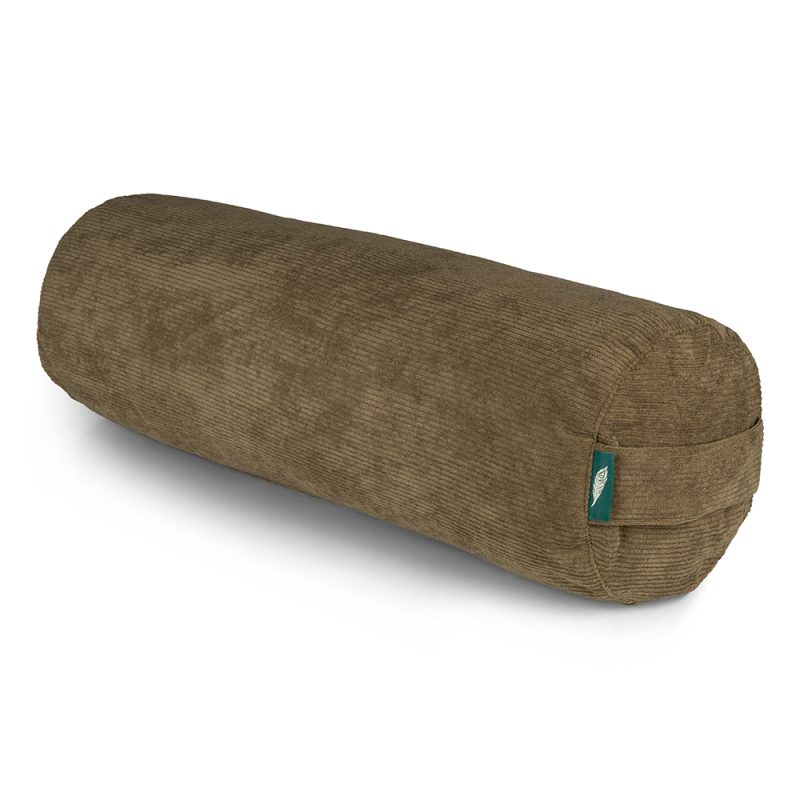
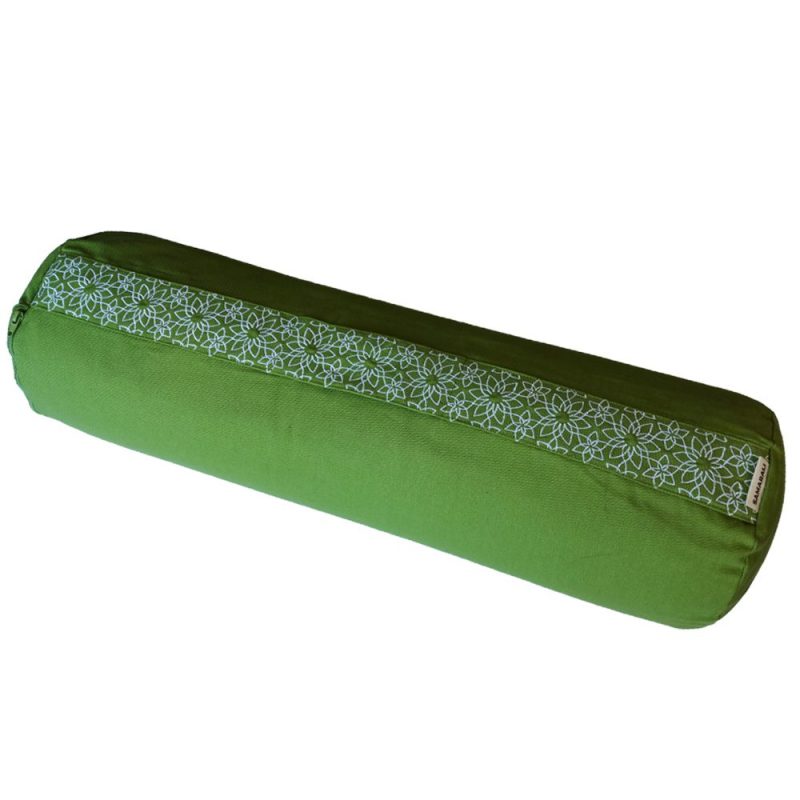
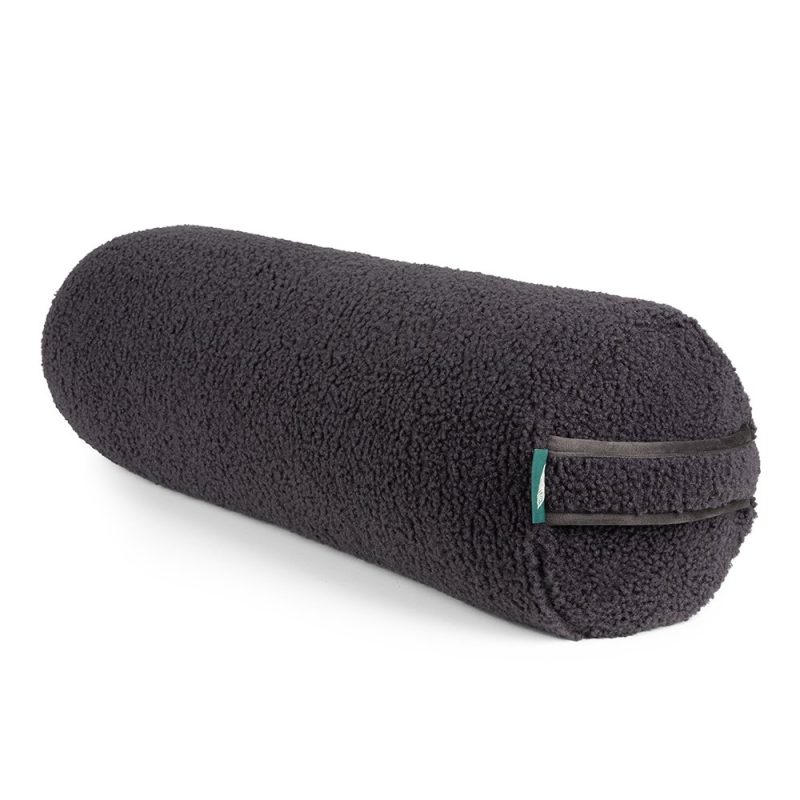
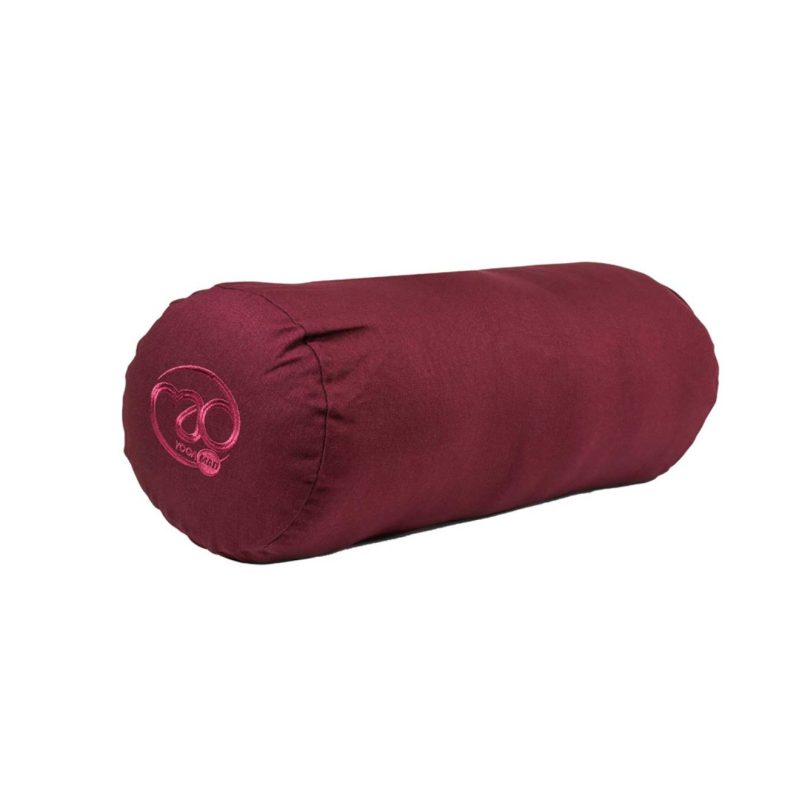
A yoga bolster is a compact, sturdy to kiss that is specially designed to support the body during various asanas (yoga poses). Unlike a regular pillow or a soft bench cushion, a bolster does not sink in when you lean on it with your full weight. It provides a stable and reliable surface.
Most bolsters are filled with natural materials, the best known of which is buckwheat hulls. Buckwheat hulls have the unique property of conforming to the contours of your body while simultaneously maintaining firm resistance. Additionally, you can find bolsters with a synthetic filling, such as the flame-retardant Recron fiber, which often feel slightly lighter and more resilient.
Thanks to a convenient zipper in the inner cover, you can add or remove filling yourself in many high-quality bolsters. This allows you to fully adjust the height and firmness to your body. The outer cover is almost always removable and machine washable, which is much more hygienic after an intensive session.
Check out our yoga bolsters
The main benefits of a bolster on the mat
In yoga, we continuously seek the balance between effort and relaxation. Sometimes the flexibility of our body does not (yet) fully allow for a certain posture, or we notice that we unconsciously continue to tense our muscles. A bolster solves this for you in three ways.
Preventing injuries and forcing
As a beginner yogi, the temptation to force a pose is great. After all, you want to touch the ground or bend just as deep as the teacher. When your muscles or joints are not yet ready, you run the risk of injury. A bolster brings the ground to you. By resting your arms, legs, or torso on the cushion, you reduce the stretch to a level that is comfortable and safe for your body.
Surrender and deep relaxation
In gentle yoga styles such as Yin yoga, restorative yoga, and Yoga Nidra, you often lie in the same position for several minutes. The goal here is not to train muscles, but to stimulate the deeper connective tissue and calm the nervous system. If your body has to work hard to avoid falling over or if a muscle is constantly under tension, the nervous system cannot switch to a resting state. The bolster supports your weight, giving your muscles the signal that they can fully release.
Ideal support during pregnancy
During pregnancy, the body's ergonomics change rapidly. Lying on your back can become uncomfortable or even inadvisable over time, and the lower back and pelvis also endure a great deal of strain. A bolster is a fantastic ally during this period. By placing the cushion under the upper leg during a restorative position or while lying on your side, the pelvis tilts into a neutral position and pressure on the lower back is immediately relieved.
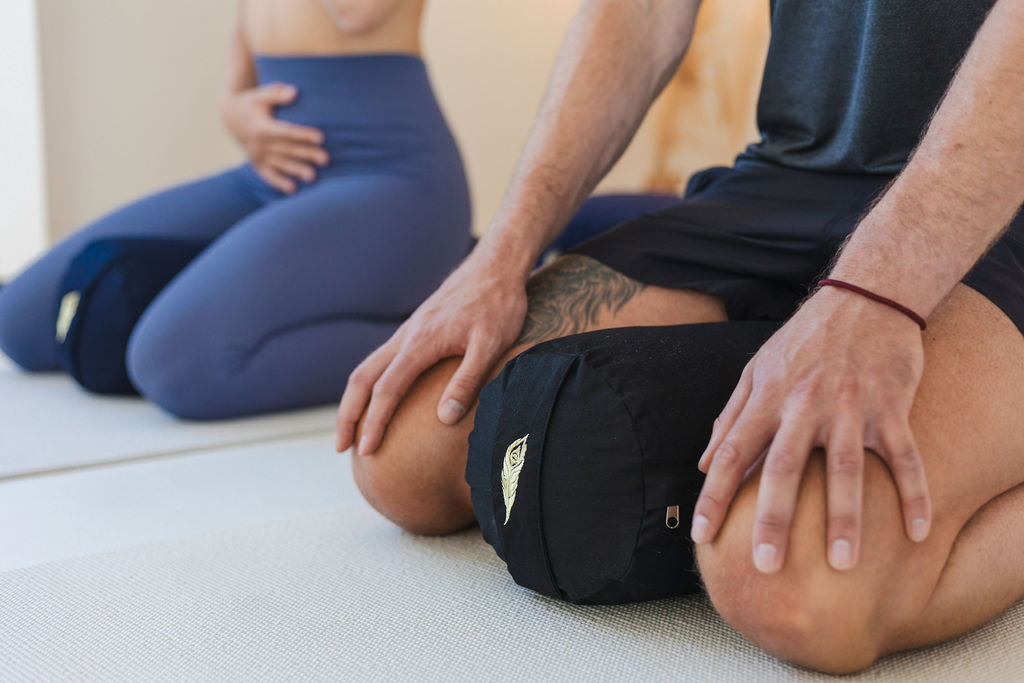
Practical exercises with a yoga bolster
You can use a bolster in countless ways, depending on the area of your body that needs some extra attention or relief. These are three common applications:
- Support for the lower back in Savasana: The final relaxation is traditionally performed lying flat on the back. For people with a hollow back or tension in the lower back, this can be painful. By placing a round bolster transversely under the backs of the knees, the lower back naturally flattens against the mat, allowing the back of the body to fully relax.
- Passive chest opener: Place the bolster lengthwise behind you and lie on it with your back and the back of your head, so that your chest is lifted. Let your arms rest on the floor to the sides. This posture helps to open the muscles around the sternum and shoulders, which often has a relieving effect after a long workday in front of a computer screen.
- Raising during seated meditations: Do you have trouble sitting on the floor with a straight back? By sitting on the end of a bolster, the hips are positioned slightly higher than the knees. This automatically tilts the pelvis into the correct position, making it much easier to sit upright for longer periods without fatigue in the back muscles.
Round versus rectangular husks
In your search for the right bolster, you will discover that there are roughly two shapes: the traditional round (cylindrical) variant and the rectangular or oval variant. Both have their own specific qualities.
| Shape of the husk | Key features | Ideal for |
| Round (Cylindrical) | Follows the natural curves of the spine and the backs of the knees. Provides firm, compact, and high support. | Deep backbends (chest openers), support under the knees, and general Hatha yoga. |
| Rectangular / Oval | Lies wide and stable on the ground, does not roll away, and has a slightly lower shape, which ensures a gradual stretch. | Restorative yoga, supported forward bends and lying twists where the entire upper body seeks rest. |
Choosing the right bolster is ultimately a personal decision. Do you prefer a pillow that stays in place and prevents you from rolling off? Then a rectangular model is an excellent choice. Are you looking for a pillow that offers maximum support under your joints and perfectly conforms to the curve of your back or neck? Then the classic round one is often the best option.
By incorporating a yoga bolster into your regular routine, you give yourself the space to move with more awareness, safety, and gentleness. It reminds you that yoga is not about how deep you get into a pose, but about how comfortable and present you can be in it.
Frequently asked questions about yoga bolsters
Do you have any more questions about yoga bolsters? Perhaps your question is already answered below.
What is the difference between a yoga bolster and a meditation cushion?
Although both cushions are used for support, they have a very different purpose and shape. A meditation cushion is usually round and compact (like a pouf) and is specifically designed to tilt your pelvis during seated meditation. A yoga bolster is a large, elongated or rectangular cushion that can support your entire back, torso, or legs during active and restorative yoga poses.
Which filling is best for a yoga bolster?
The choice of filling depends on your personal preference. A buckwheat hull filling is traditional and very popular because it keeps the pillow heavy and stable, and allows it to mold perfectly to your body. Are you looking for a lighter pillow that is easier to carry and feels a bit softer? Then a synthetic fiber filling (such as Recron) is a good alternative.
How can I clean a yoga bolster?
Most high-quality yoga bolsters have a removable outer cover with a zipper. You can easily remove this outer cover and wash it in the washing machine at 30 degrees. It is recommended to let the cover air dry to prevent shrinkage. The inner cover containing the filling (such as buckwheat hulls) must, of course, not get wet.
Is a yoga bolster also suitable for beginners?
Yes, a yoga bolster is an incredibly valuable tool, especially for beginners. If your muscles and joints still need to get used to the flexibility required by some poses, the bolster brings the ground closer to you. This prevents you from forcing yourself and helps you adopt a safe and comfortable posture right from the start.
How do I know if my bolster is the right height?
If you find that a bolster is too hard or too high during an exercise, with most models filled with buckwheat, you can simply remove some hulls from the inner sleeve via the zipper. Store the excess hulls in a bag so that you can make the cushion firmer again later if you need more height or support.