


Pilates
Yoga blocks
Pilates blocks
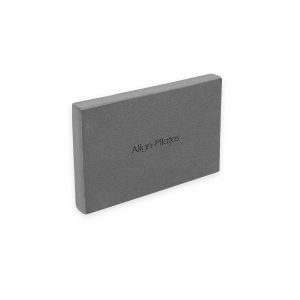
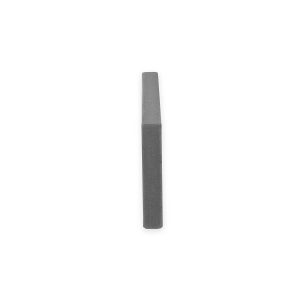
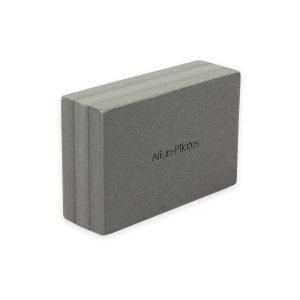
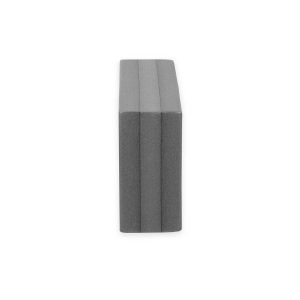
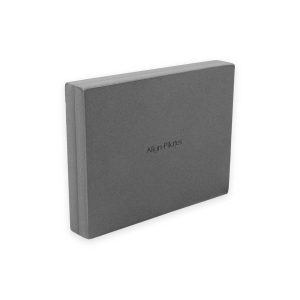
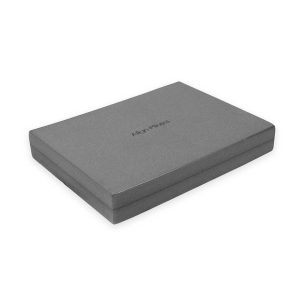
What are yoga blocks?
A yoga block is a practical tool for yoga. It's the most commonly used yoga accessory by both beginners and advanced practitioners. Yoga puts strain on your muscles and demands a lot of flexibility. Performing the exercise incorrectly or overextending your muscles can lead to annoying injuries. Yoga blocks prevent this by providing support and acting as an extension of your body. They provide stability, allowing you to focus on your posture and proper form.
A yoga block makes exercises you're not flexible enough for possible. You no longer have to skip exercises that were previously impossible or difficult. It's also a great tool for trying out new exercises. They offer stability and good balance, allowing you to focus more on the yoga pose. A yoga block also allows you to make an exercise more challenging, making it suitable for both beginners and advanced practitioners.
How do you use yoga blocks?
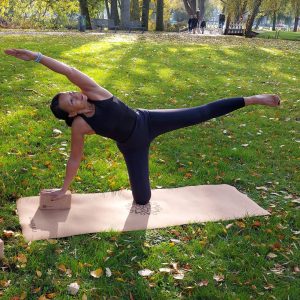
A yoga block can primarily be used for support. It offers support if you lack the desired muscle flexibility for a particular exercise, or if you want to avoid overextending. For example, in Downward Facing Dog, you can place your hands on a block to reduce the bending distance. It's as if you reach the ground sooner. This relieves pressure on your wrists and hands and increases your reach. If you place your heels on a thin yoga block, you have the same effect on your ankles.
Downward Facing Dog is an example of a standing exercise. You can also use a yoga block for seated exercises. It makes sitting cross-legged, for example, more comfortable and easier on your knees. It can also support your back during lying exercises and bridge pose.
Besides the fact that a yoga block can help you bend less, it can also force you to bend further. Lying on the block allows you to stretch further than when lying flat on a mat. Your hands also have to reach further to reach the floor when standing on a yoga block for the Standing Forward Bend. This makes the exercise more difficult.
Buy yoga blocks at Yoga-Pilatesshop
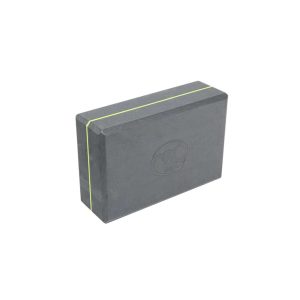
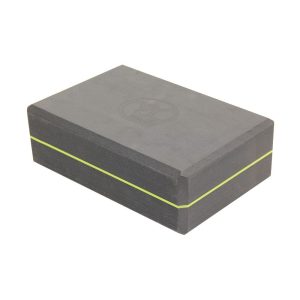
Looking for a yoga block? Then you've come to the right place at Yoga-Pilatesshop. We sell a variety of blocks in different materials, shapes, and thicknesses. So we have something for everyone.
Yoga block materials at Yoga-Pilatesshop
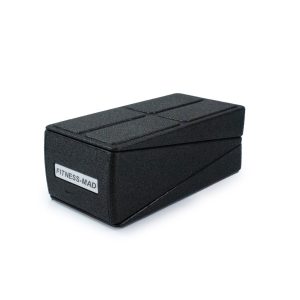
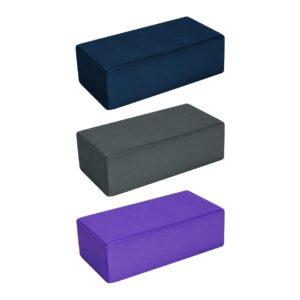
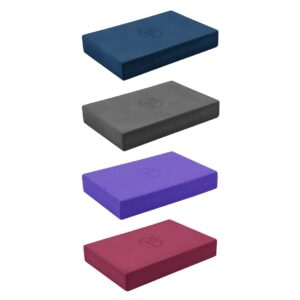
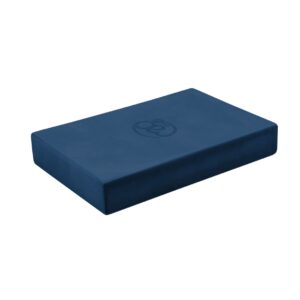
- Foam: Foam blocks are the most affordable. They offer soft cushioning and a medium firmness, making them suitable for a variety of exercises. A foam yoga block is also very suitable for seated exercises. They are less durable and environmentally friendly than blocks made from other materials, but they are available in a variety of attractive colors. We also sell blocks made from recycled materials, which are more sustainable than other foam blocks.
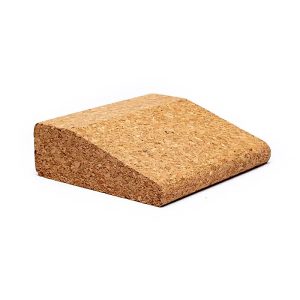
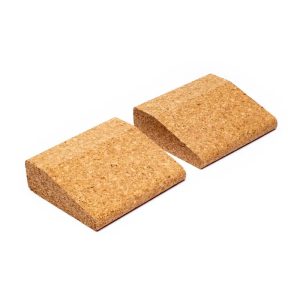
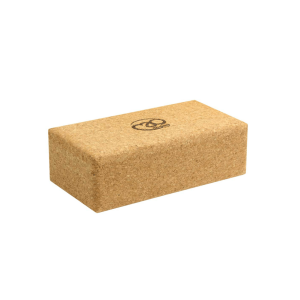
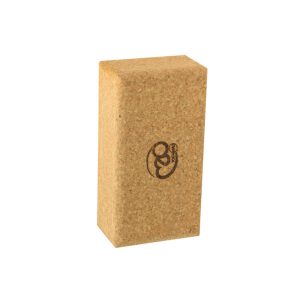
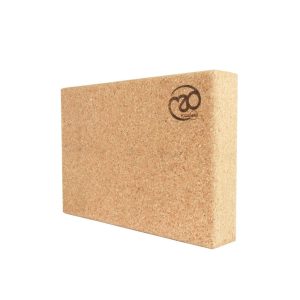
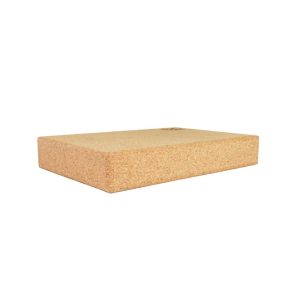
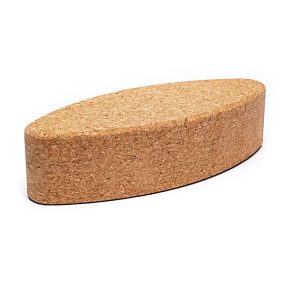
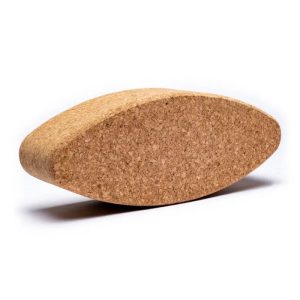
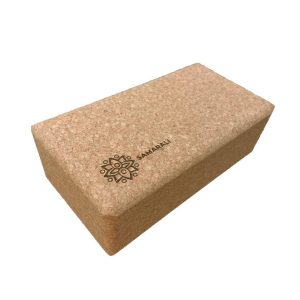
- Cork: A cork yoga block provides excellent support during exercises. It's a sturdy yet springy material. It's also very light and feels soft. A cork yoga block has a firm grip, preventing slippage during exercises. The material is 100% natural and made from the finest Portuguese cork. The cork is obtained through an environmentally friendly harvesting process, is recyclable, and biodegradable.
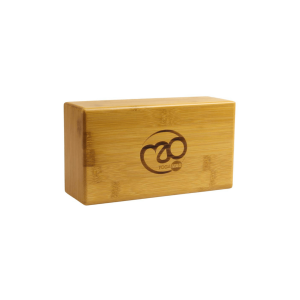
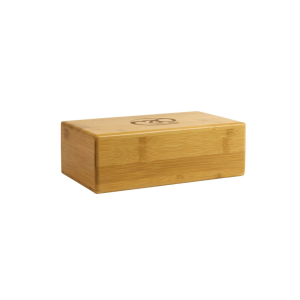
- Ecological bamboo: Bamboo is a light and strong material. A bamboo yoga block therefore offers firm support and excellent stability during yoga exercises.
The shapes of yoga blocks at Yoga-Pilatesshop
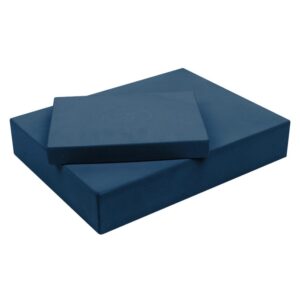
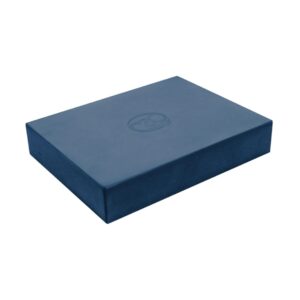
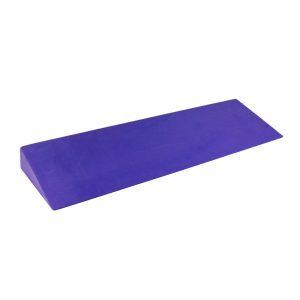
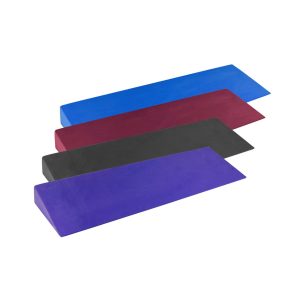
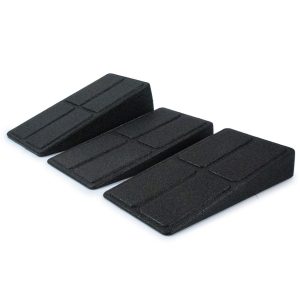
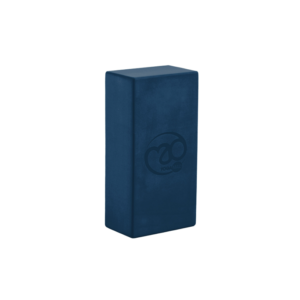
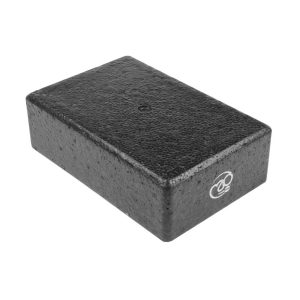
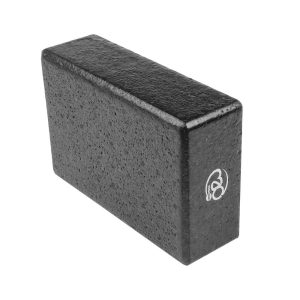
We also sell blocks in various shapes. Most blocks are rectangular. These are very sturdy and perfectly compensate for flexibility. We also sell egg-shaped blocks. This shape conforms more closely to the curvature of the body. They therefore provide more comfortable support and are easier to grip. Finally, we have wedge-shaped blocks. These specifically promote pelvic tilt during sitting positions.
The thickness of yoga blocks at Yoga-Pilatesshop
Finally, Yoga-Pilatesshop blocks vary in thickness, ranging from 2.5 to 7.5 cm. The most suitable thickness for a particular yoga exercise depends on the specific practice. For example, the 25 and 30 mm blocks provide comfortable support for your neck, allowing your shoulders to relax. The thicker blocks are better suited for bringing you closer to the floor, supporting seated exercises, or providing more support for the back.