

Wall Pilates: an accessible way to train your core and balance
Anyone who regularly checks social media has surely already seen the trend: wall Pilates. While regular mat Pilates involves working exclusively with your own body weight on a mat, this variant uses a sturdy wall for resistance and support. The result is an accessible form of strength training that you can perform right in your own living room, without needing large equipment such as a reformer. In this article, we explain exactly how wall Pilates works, what the main benefits are, and what equipment ensures you train safely and comfortably.
What exactly is wall pilates?
In wall Pilates, you perform classic Pilates exercises while placing your feet, back, or hands against a wall. The wall serves two functions in this process. On the one hand, the surface provides extra stability, making it easier to maintain balance and proper posture. On the other hand, you can use the wall to push yourself away or lean into it, which creates extra muscle tension.
By creating continuous resistance, you engage deeper muscle groups in your abdomen, lower back, glutes, and legs. The movements are controlled and have a low impact on your joints, making this method suitable for both beginners and advanced athletes.
What do you need for wall pilates?
One of the reasons this form of training is so popular is that you need relatively little for it. Nevertheless, a few good basic materials make a big difference in comfort and effectiveness. A slippery floor, for example, is too hard on your spine and can cause you to slip as soon as you apply force against the wall.
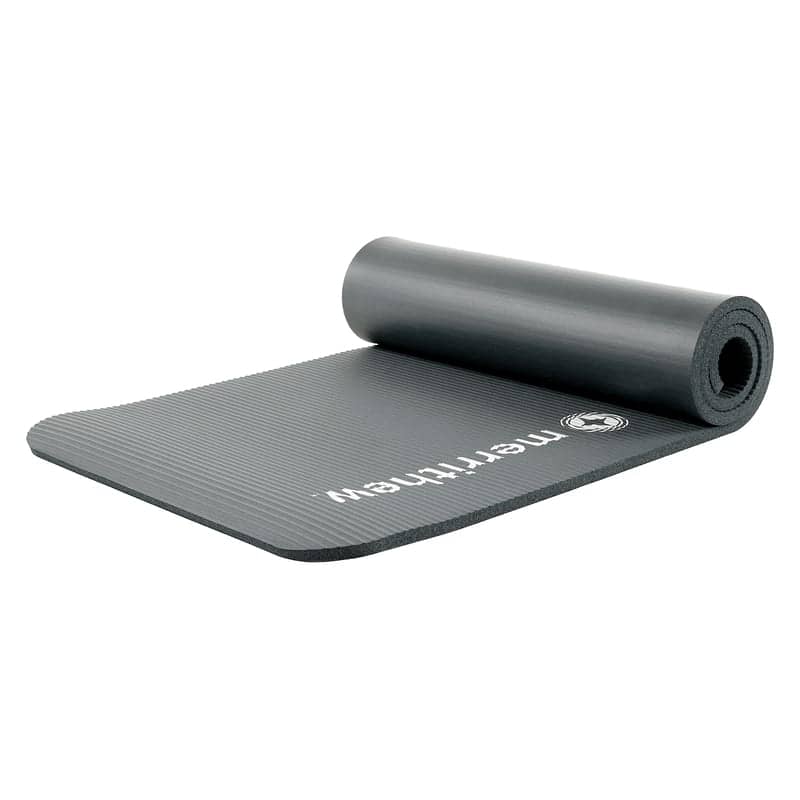
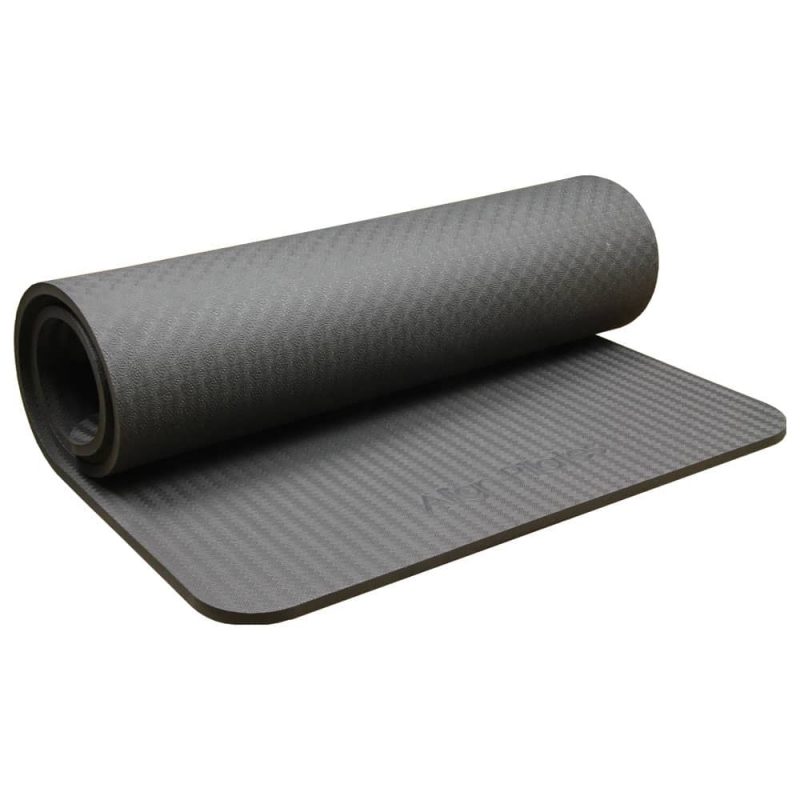
A good Pilates mat with sufficient grip
Because you regularly apply pressure against the wall during wall Pilates, it is important that your mat does not slide across the floor. Therefore, choose a high-quality one pilates mat with a non-slip bottom and sufficient cushioning. A thickness of at least 10 to 15 millimeters protects your spine and hips during lying exercises such as the wall bridge or leg lifts.
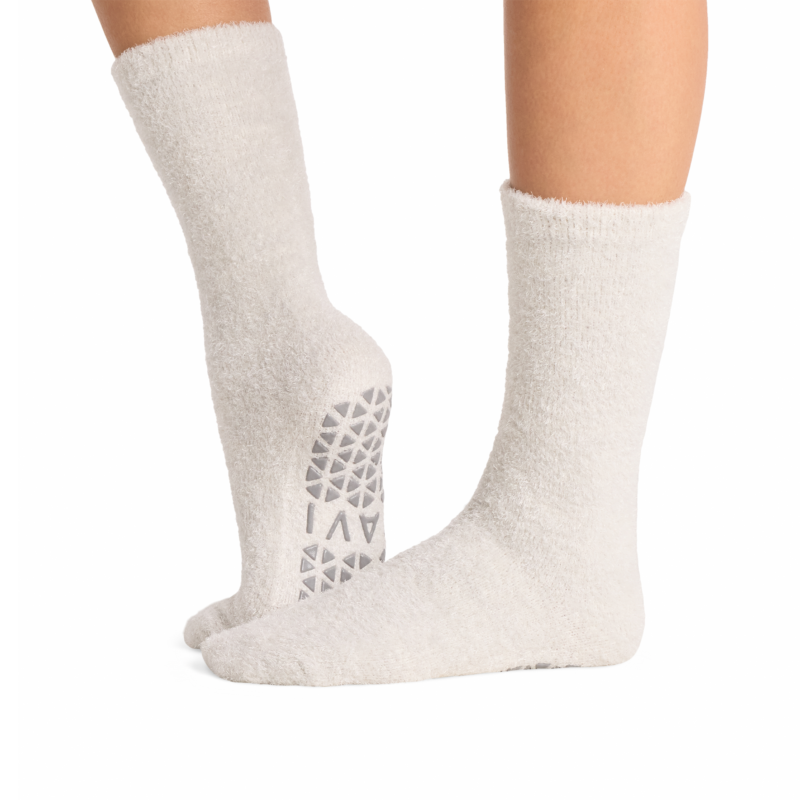
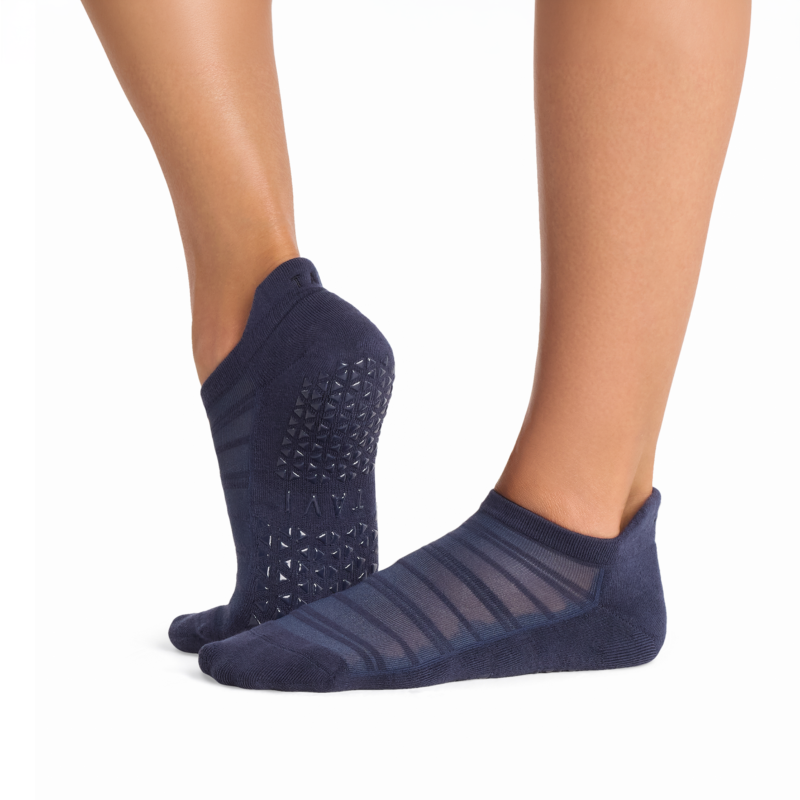
Grip socks for extra stability
During many exercises, you place the soles of your feet flat against the wall. On bare feet or with regular socks, you can easily slip, especially if you get warm. Special Pilates socks with anti-slip Gives you immediate more grip on both the wall and your mat. This allows you to fully concentrate on the technique and your breathing instead of correcting your posture.
Small accessories to increase the intensity
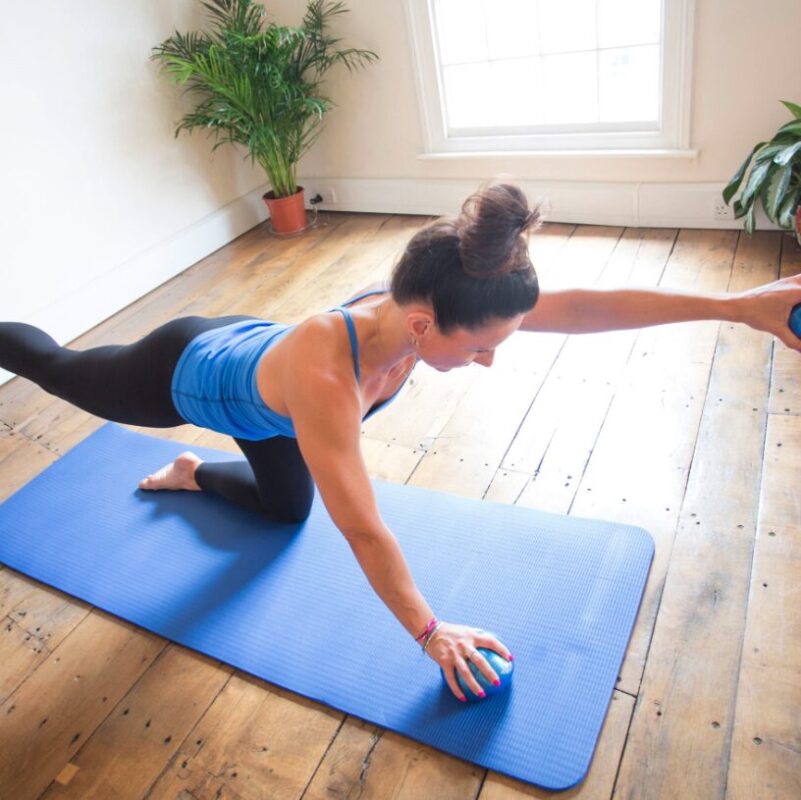
Have you mastered the basic exercises and are looking for more of a challenge? Then you can easily expand your routine with compact tools from our pilates accessories rangeA soft pilates ball which you wedge between your knees during a wall squat, for example, directly activates your inner thigh muscles and pelvic floor. Also resistance bands and a Pilates ring They combine perfectly with wall exercises to give your upper body and legs an extra workout.
View products for wall pilates
The main benefits of training against the wall
Integrating a wall into your workout yields a number of concrete benefits for your body:
- Improved posture: The wall acts as a direct reference for your back. You immediately feel whether your shoulders and lower back remain straight while moving.
- Targeted muscle building without heavy weights: Through static tension (isometric contraction), you build muscle strength and endurance without putting heavy strain on your joints.
- Better balance and coordination: The support helps you perform movements more slowly and consciously, which strengthens the connection between your brain and muscles.
- Accessible and time-saving: A session of twenty to thirty minutes in your own home is enough for a complete workout.
Practical tips for safe training
Before you begin, it is wise to choose a clear, flat wall without baseboards getting in the way, so that you can comfortably rest your back or heels against it. Preferably wear fitted pilates clothing in which you can move freely and with which you can clearly see for yourself whether your posture is correct.
Pay attention to your breathing during every exercise. Breathe in in preparation and breathe out calmly the moment you exert force or tense your muscles. Do not force anything: if you notice your lower back arching or your shoulders pulling up towards your ears, move your feet slightly higher or lower on the wall to adjust the pressure. By building up gradually, you get the most out of every session and reduce the risk of injury.
Do you want to start your own routine right away? Then check out our complete collection Pilates supplies and put together a set that suits your level and training goals.
Frequently asked questions about wall pilates
It is perfectly normal to have a number of questions before getting started with this training method. Below, we answer the most frequently asked questions about Wall Pilates, so that you can begin well-prepared and with confidence.
How often per week do you need to do wall pilates to see results?
For most people, two to three times a week is an excellent frequency to experience the benefits. Because this workout has a low impact on your joints, your body requires less recovery time than after heavy strength training. With regular training, you will often notice improvements in your flexibility, core stability, and overall posture after just four weeks. Consistency is more important here than the duration of a single session; twenty minutes of focused movement is already very effective.
Is wall Pilates also suitable for absolute beginners?
Yes, this is actually one of the most accessible ways to start Pilates. The wall offers natural support that helps you maintain your balance, which can sometimes be a challenge during regular mat exercises. Moreover, it gives you direct feedback on your posture, as you physically feel whether your back and shoulders are resting straight against the surface. Always start slowly and, in the beginning, choose basic exercises where your feet or back are comfortably supported.
Do I need special socks for this training?
Although it is theoretically possible to train barefoot, we recommend special non-slip socks for safety and comfort. During many exercises, you apply considerable force with your feet against a slippery wall or exercise mat. With regular socks or bare, sweaty feet, you will slip easily, which makes the exercise less effective and increases the risk of injury. Our Pilates socks with grip ensure that you stay firmly in place, so that you can fully focus on the correct execution.
Can I use a regular yoga or fitness mat?
It is very important that your mat does not slip when you apply force against the wall. A standard, thin yoga mat often offers insufficient cushioning for your spine and hips during lying exercises. A fitness mat, on the other hand, is sometimes too slippery or too soft, causing you to lose stability. A specific, somewhat thicker pilates mat of at least 10 to 15 millimeters with a good anti-slip underlay is the best choice for comfortable and safe training on a hard floor.
What is the difference between regular Pilates and Wall Pilates?
In traditional mat-based Pilates, you work exclusively with your own body weight and gravity, or use specific equipment in a studio. In this variant, the wall effectively replaces the equipment by providing extra resistance and a fixed reference point. You can push off more actively or lean against something, allowing you to engage specific muscle groups more intensely and precisely. This makes it a very versatile workout that you can easily do at home.
What extra tools can make my training more fun or challenging?
Once you have mastered the basics, you can add a lot of variety with compact accessories. A small, soft pilates ball is perfect to place between your knees or behind your back to activate deeper muscles. Additionally, are resistance bands and a Pilates ring Incredibly effective for creating extra resistance for your arms, legs, and core. These accessories take up hardly any space and give your home workout an instant boost.