
Pilates – what is it and what do you need?

Pilates is a movement method that has helped millions of people worldwide improve their physical strength, posture, and mental focus. While its popularity has grown dramatically in recent years, the method's origins date back over a century. Its unique combination of controlled movements, breathing, and deep muscle strength makes it a discipline accessible to almost everyone, from elite athletes to those undergoing rehabilitation.

What is Pilates?

The method was developed by Joseph Pilates in the early twentieth century. He originally called his system "contrology," which refers to the complete control of the mind over the muscles. The foundation of this training method lies in strengthening the powerhouse, or core. This includes not only the abdominal muscles but also the lower back, pelvis, and glutes.

Unlike traditional strength training, which often emphasizes isolating large muscle groups, this method focuses on the deeper muscles. These muscles support the spine and provide stability. A session consists of fluid, precise movements performed with a high degree of concentration. This creates a strong connection between body and mind. The six basic principles—concentration, control, centering, precision, breathing, and fluidity—are the common thread running through every exercise.

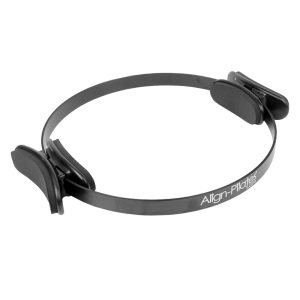
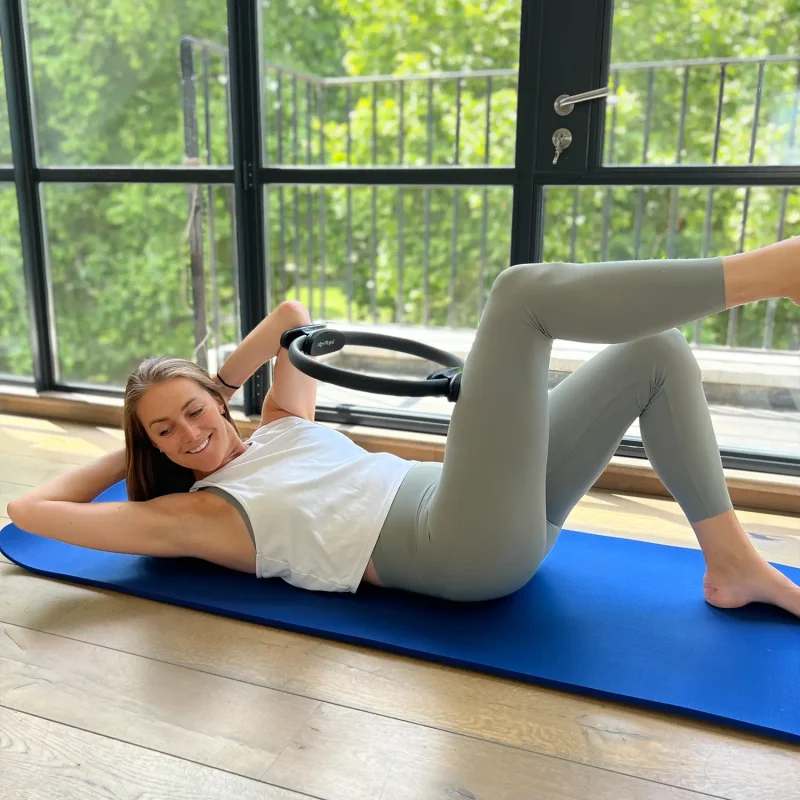
Use the Pilates-Mad ring with a diameter of 36 cm, now available at Yoga-Pilatesshop!

The benefits of Pilates

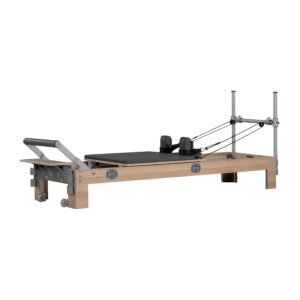
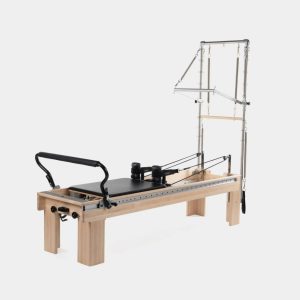
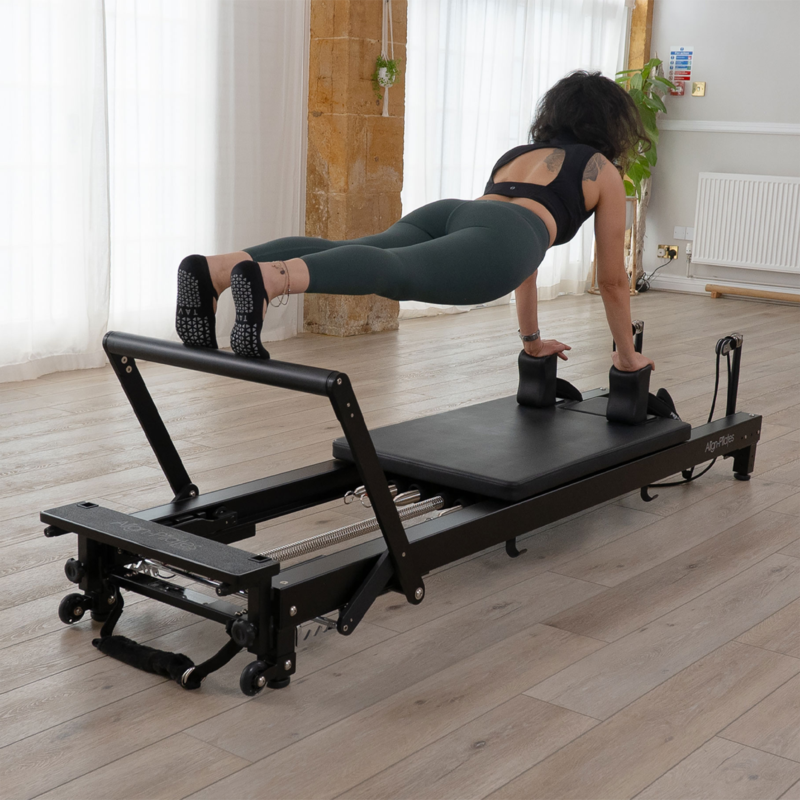
Regular practice of this discipline offers a variety of benefits for both physical and mental health. Because the focus is on proper body alignment, it's an excellent way to prevent or reduce physical complaints. Pilates is also specifically designed for this purpose reformers, with which you can train your body both in a studio and at home to reduce complaints and become stronger. 

One of the most noticeable benefits is improved posture. Many people suffer from a stooped posture or back pain due to sedentary work. The exercises lengthen the spine and strengthen the muscles responsible for upright posture, literally allowing you to walk more upright. Furthermore, flexibility is increased without muscle loss, resulting in functional flexibility.

Mentally, focusing on breathing reduces stress. Because every movement requires full attention, a session often functions as a form of moving meditation. This helps you get out of your head and connect more with your own body. For athletes, it's an ideal supplemental training to reduce the risk of injury, as imbalances in the body are identified and corrected.

What do you need for Pilates?

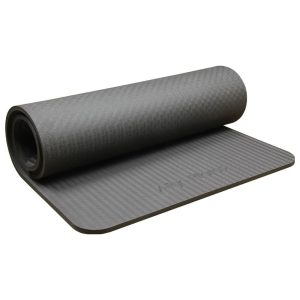
To get started with the basic techniques, you need surprisingly little. The foundation is often laid on a pilates matIt's important to note that a standard yoga mat is usually too thin. For these exercises, a thicker mat of at least 10 to 15 millimeters is recommended to provide sufficient cushioning for the spine and joints during the rolling movements on the floor.

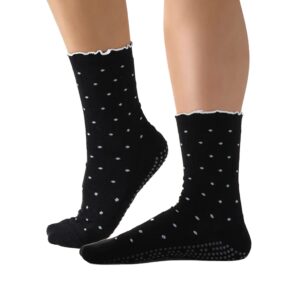
Regarding clothing, comfortable, close-fitting clothing is recommended. This not only improves your own freedom of movement but also allows an instructor to accurately monitor your posture and alignment. Many practitioners choose specialized clothing anti-slip socksThese provide extra grip on the mat or equipment, which is essential for safety and stability during challenging poses.

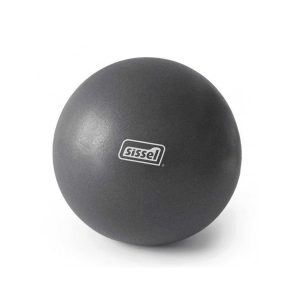
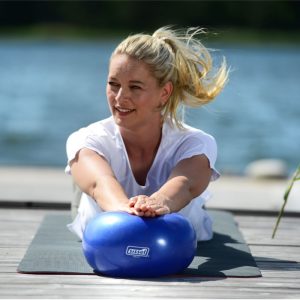
In addition to the mat, various accessories, also called props, can make the training more intensive or more accessible. Think of a ring, a small softball or resistance bands. These tools challenge your stability and help you target the right muscle groups more actively. With these, you can truly engage every muscle group in your body during your workout!

 18,50
This product has multiple variations. This option can be selected on the product page
 14,95
This product has multiple variations. This option can be selected on the product page
Our Pilates products and equipment

At Yoga-Pilatesshop we offer a wide range of Pilates products that support both home practitioners and professional studios. For those who want to delve deeper, switching to equipment is a logical next step.

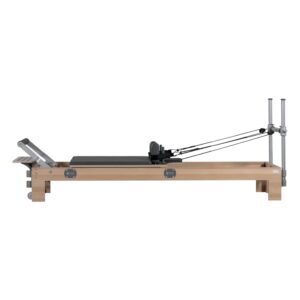
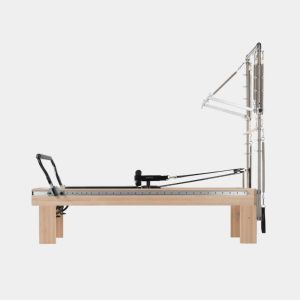
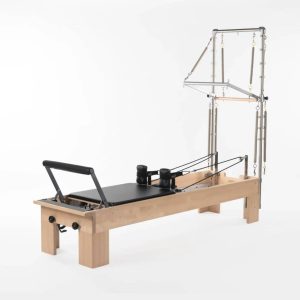
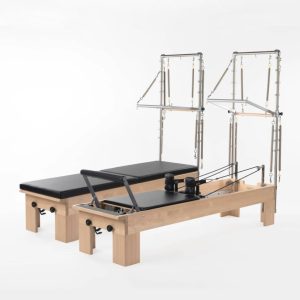
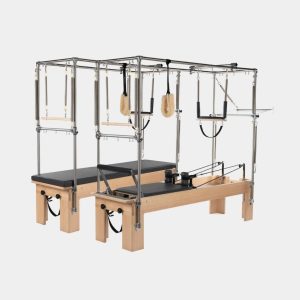
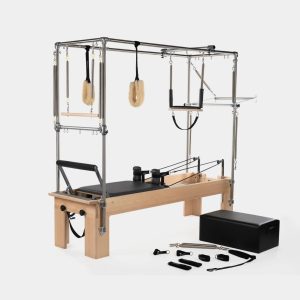
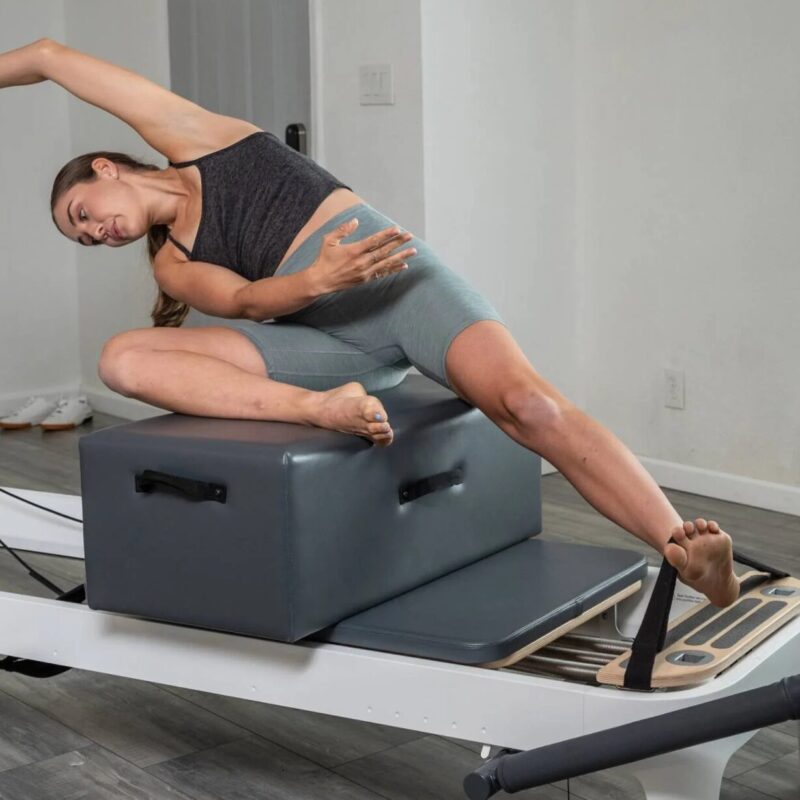
The most well-known piece of equipment is undoubtedly the reformer. This device works with a sliding platform and a system of springs that provide resistance. Training on a reformer offers unique resistance unmatched on a mat, allowing muscles to be lengthened and strengthened in a different way. For studios, there are also larger machines like the Cadillac and the Tower, which allow for hundreds of different exercise variations. Take a look at our top reformers!

From:  7.441,50
This product has multiple variations. This option can be selected on the product page
 14.221,30
This product has multiple variations. This option can be selected on the product page
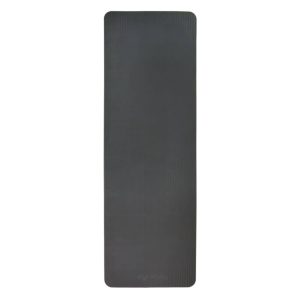
For home users, we offer a selection of high-quality mats, foam rollers for myofascial release, and various balance cushions. We select our products based on durability and functionality, so you can rely on the material that supports your progress. Whether you're looking for a magic circle to train your inner thighs or a complete studio setup, quality is always our top priority.

Various Pilates exercises

Hundreds of exercises are available, ranging from the classic Joseph Pilates series to modern variations. Below, we highlight some fundamental exercises that touch upon the core of the method.

  • "The Hundred" is perhaps the most iconic exercise. It's a dynamic warm-up for the abdominal muscles and circulation. You lie on your back, slightly lift your legs and upper body, and pump your arms while breathing in a controlled manner. The focus is on keeping your torso stable.
  • The "roll-up" is an excellent exercise for spinal articulation. Instead of a quick sit-up, this exercise involves rolling vertebra by vertebra up and down again. It requires tremendous control from the deep abdominal muscles and helps to loosen the back.
  • For the back of the body, the "swimming" is a common move. While lying on your stomach, lift one arm and one leg diagonally. This exercise strengthens the spinal erectors, glutes, and hamstrings, which are crucial for a healthy back.

Frequently asked questions about Pilates

We understand you might still have many questions about Pilates. That's why we've already answered most of the questions we receive. Do you have any other questions about this wonderful sport, or about our products? Feel free to contact us via [email protected]!

Is Pilates good for weight loss?

While the focus isn't primarily on cardio, building muscle mass contributes to a higher metabolism. Moreover, improved posture and tighter muscle tone result in a slimmer and longer silhouette. So yes, Pilates can definitely help if you want to lose weight. 

Joseph Pilates once said that after ten sessions you'll feel the difference, after twenty sessions you'll see the difference, and after thirty sessions you'll have a completely new body. On average, two to three times a week is ideal for achieving structural changes in your strength and posture.

Yes, provided it's performed under proper supervision. Because the focus is on strengthening the supporting muscles of the spine, it can provide significant relief from chronic back pain. However, in the case of an acute injury, always consult a physiotherapist or doctor first.

Certainly not. Most people start with mat exercises. Equipment like the reformer is a valuable addition for added resistance and variety, but the basic principles can be learned perfectly well without large equipment.

You can generally start doing Pilates exercises fairly soon after giving birth. Starting in the first week, you can gradually increase your Pilates routine. Consult a doctor (or other specialist) before planning to do Pilates exercises soon after giving birth to reduce the risk of potential health risks.

The founder of this Pilates method is Joseph Pilates (1883–1967). He was a German who developed a system of exercises during his lifetime that he called "Contrology." The name "Pilates" only became the general term for his method after his death. His motivation for developing this method stemmed from his own health. As a child, he was very frail and suffered from asthma, rhinitis, and rheumatic fever. He was determined to improve his physical condition and immersed himself in both Western and Eastern forms of exercise, including yoga, gymnastics, boxing, and even animal movements.

There are literally hundreds of different Pilates exercises, ranging from classic mat exercises to complex movements on equipment like the reformer. Common exercises include:

  • The Hundred: A dynamic warm-up exercise where you lie on your back with your legs in the air (tabletop or straight). While slightly curling your upper body, pump your arms up and down while inhaling and exhaling powerfully. This stimulates blood circulation and activates your abdominal muscles.
  • The Roll Up: A slow, controlled movement where you roll up from a lying position, vertebra by vertebra, until you reach your toes, and then roll back down in a controlled manner. This is much more challenging than a regular sit-up because it requires maximum control.
  • Single Leg Stretch: Lying on your back with your head and shoulders off the mat, pull one knee toward your chest while the other leg hovers low above the floor. This works coordination and deep abdominal muscles.
  • The Plank: In the Pilates variation, the focus is extra on the alignment of the shoulder blades and pulling the navel in to protect the lower back.
  • The Swan: Lie on your stomach and lift your chest off the mat in a controlled manner while using your hands for support (or even letting go). This strengthens the spinal erectors and improves posture.

  • The Swimming: Lying on your stomach, lift your left arm and right leg diagonally upward, then reverse the motion, in a quick but controlled swimming motion. This exercises the entire back of your body.

  • Shoulder Bridge: Lie on your back with your knees bent and lift your pelvis vertebra by vertebra. This is an excellent exercise for the glutes and spinal mobility.

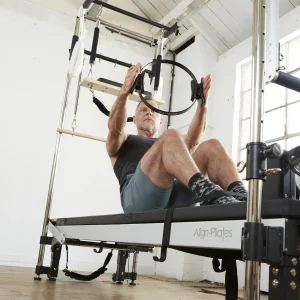
C8 Pro Noir - Lifestyle - Align Pilates
0